We are Weltrom
Weltrom is redefining predictive maintenance for industrial batteries, the batteries that keep hospitals, data centres, and other critical infrastructure running worldwide.
Using real-world sensor data and physics-informed machine learning, we predict exactly when a battery is likely to fail, before it does. Our technology replaces rigid, calendar-based replacement schedules with condition-based decisions, enabling operators to replace batteries when they actually need it, rather than when a date says they should.
We are a research-driven, fast-moving team working at the intersection of data science and electrical engineering. Our mission is simple: to make every battery earn its replacement, not merely reach its replacement date.
Predictions that transform maintenance
Our approach to battery maintenance is data-driven, forward-looking, and built with global responsibility in mind. We do more than enable smarter replacement decisions, we are redefining how critical infrastructure is protected, using predictive intelligence for the batteries that keep hospitals, data centres, and industrial operations running worldwide.
From VRLA lead-acid systems to modern LFP lithium-ion batteries, our machine learning models combine real-world sensor data with physics-informed insights to identify degradation and predict failure before it happens. By giving operators the lead time to act, we help them move from reactive maintenance to confident, condition-based decisions, making critical infrastructure more reliable while reducing unnecessary replacements, resource consumption, and waste.
Prediction beyond today.
In Switzerland and beyond, our work is built on a simple conviction: ecological responsibility and technological progress are not opposing forces, they strengthen each other.
Battery operators and critical infrastructure managers benefit directly from this approach. Fewer premature replacements mean lower costs and resource consumption. Fewer unplanned failures mean greater reliability. And less unnecessary battery disposal means less hazardous waste. Together, these benefits are driving a smarter, more sustainable approach to maintenance.
But our thinking does not stop at predicting the next failure. That is where it begins.
We are moving from individual failure predictions toward systemic condition intelligence: replacing isolated alerts with a continuous, physics-grounded understanding of every battery across an entire fleet. By connecting data, degradation patterns, and engineering knowledge, we give operators a clearer picture of what is happening today and what is likely to happen next.
Analytics for UPS owners and operators
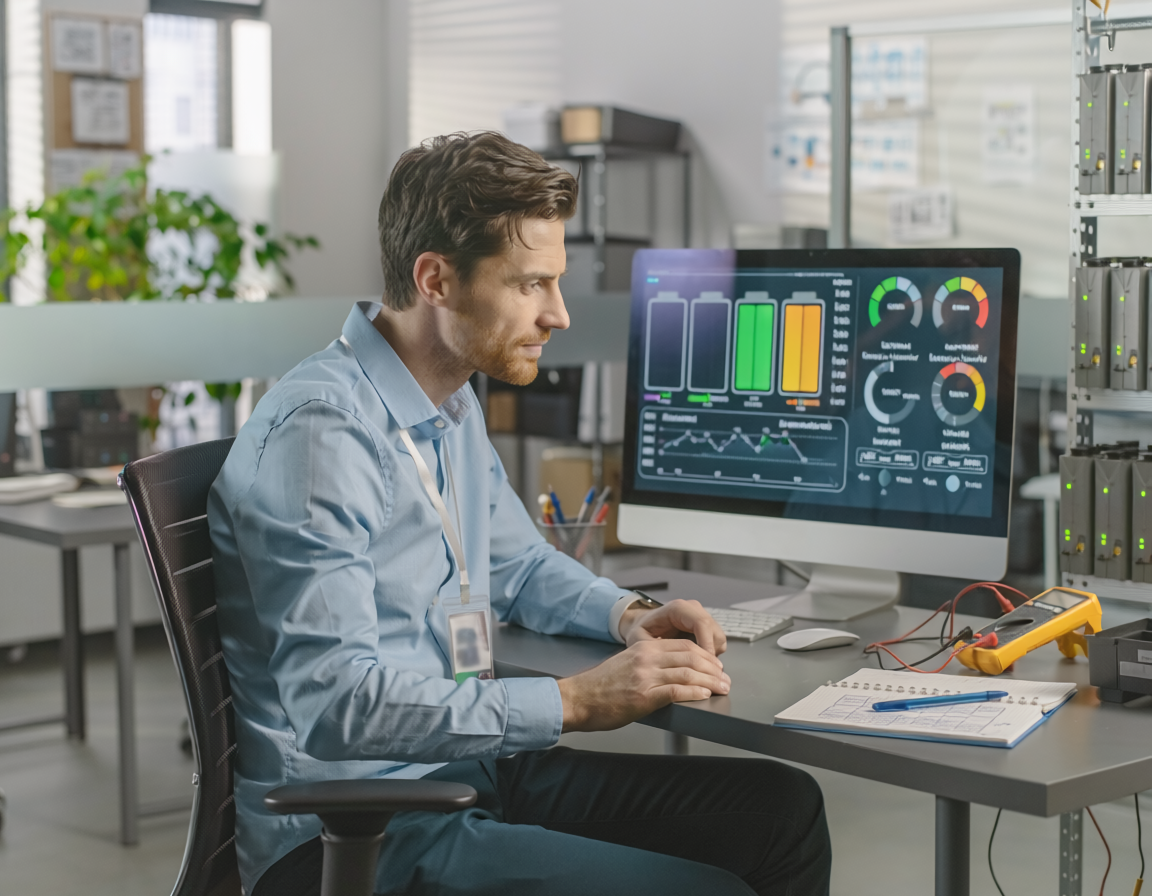
UPS Health Monitor
Track State of Health, internal resistance, and float current across every string — independent of the BMS.

Warranty Manager
Monitor warranty KPIs against manufacturer terms and flag breaches before the warranty window closes.
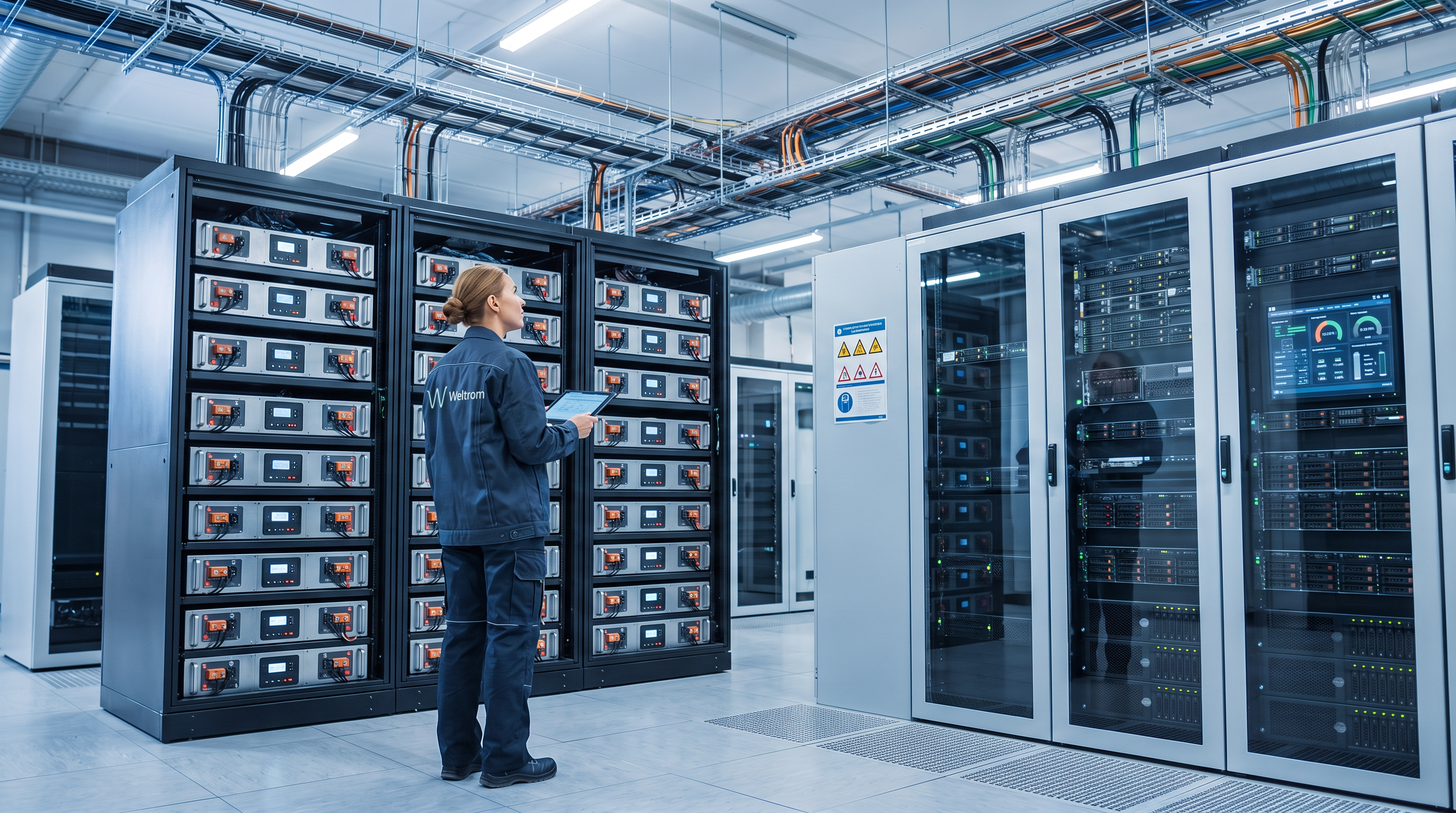
Safety Monitor
Detect thermal runaway precursors and self-discharge anomalies before they become an incident report.
Supported by